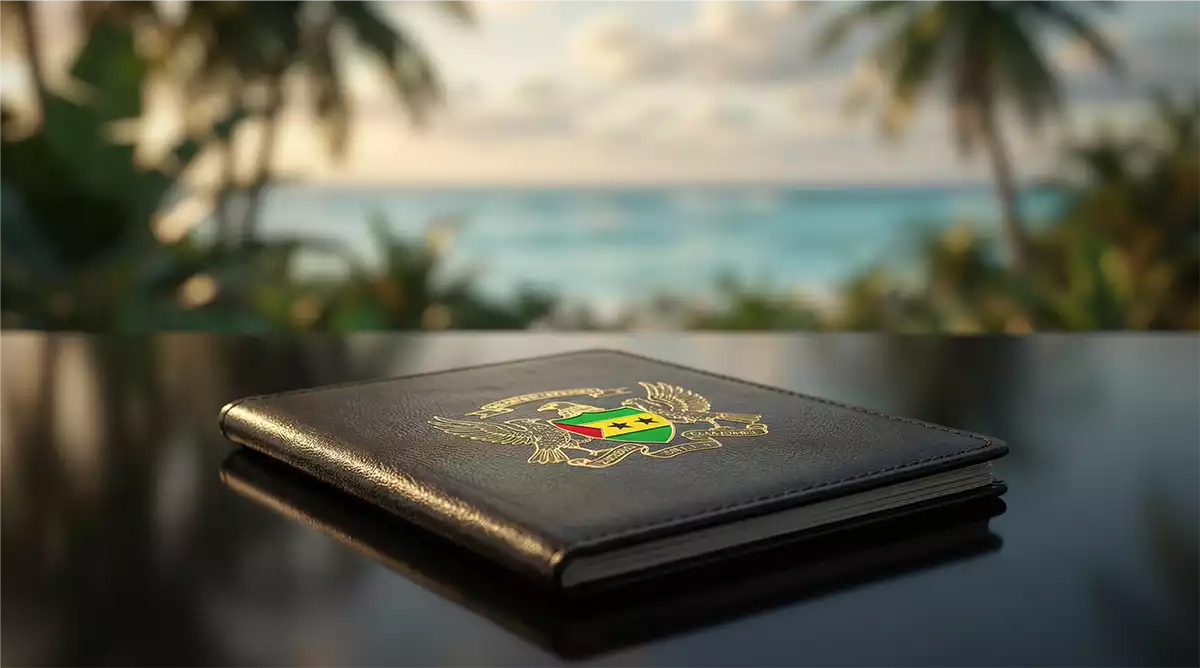
When Marcus, a 42-year-old entrepreneur from Portugal, first inquired about obtaining São Tomé and Príncipe citizenship, he wasn't sure if his circumstances would qualify him for naturalization. His journey from initial consultation to passport issuance took approximately 18 months and provides valuable insight into how foreigners can successfully navigate the citizenship process in this West African island nation.
Initial Circumstances and Motivation
Marcus had been conducting business in São Tomé and Príncipe for nearly six years, primarily in the tourism and hospitality sector. He had established strong ties to the local community, employed several São Toméan nationals, and had maintained continuous legal residence throughout his time in the country. His primary motivation for seeking citizenship was to solidify his long-term commitment to the islands and simplify his business operations, which were complicated by his need to regularly renew residence permits.
Like many foreigners considering São Tomé citizenship, Marcus initially had concerns about whether his application would be successful. He had heard conflicting information about residency requirements, the complexity of the documentation process, and the timeline involved. His case demonstrates that with proper preparation and understanding of the legal framework, foreign nationals can indeed obtain citizenship through naturalization.
Understanding the Legal Pathway
São Tomé and Príncipe's nationality law provides several pathways for foreigners to acquire citizenship, with naturalization being the most common route for those without family ties to the country. Marcus qualified under the standard naturalization provisions, which require applicants to meet specific criteria related to residence, good character, and integration into São Toméan society.
Key Requirements Marcus Had to Meet
- Minimum residency period — continuous legal residence in São Tomé and Príncipe for at least five years prior to application
- Clean criminal record — both in São Tomé and in countries of previous residence, verified through official police certificates
- Financial stability — demonstrated ability to support himself without becoming a burden on the state
- Language proficiency — basic competency in Portuguese, the official language of São Tomé and Príncipe
- Cultural integration — evidence of ties to the local community and understanding of São Toméan customs and society
- Renunciation consideration — willingness to address dual citizenship implications, though São Tomé does permit dual nationality in many cases
Marcus's established business presence and employment of local staff worked strongly in his favor, as it demonstrated both economic contribution and genuine integration into the community. His fluency in Portuguese, gained through years of living and working in the country, eliminated what can be a significant hurdle for applicants from non-Portuguese-speaking nations.
The Application Timeline and Process
Marcus's journey from initial consultation to receiving his São Tomé passport followed a structured timeline, though he experienced some delays that are common in administrative processes in smaller nations with limited bureaucratic resources.
- Month 1-2: Document preparation phase. Marcus gathered all required documentation, including birth certificates, marriage certificate, police clearances from Portugal and São Tomé, proof of residence, business registration documents, tax compliance certificates, and letters of recommendation from prominent São Toméan citizens. Several documents required apostille certification and official translation into Portuguese.
- Month 3: Formal application submission. With all documents compiled and properly authenticated, Marcus submitted his naturalization application to the Ministry of Justice and Human Rights. He paid the required application fees and received confirmation of receipt with a reference number for tracking purposes.
- Month 4-9: Background verification and review period. During this extended phase, authorities conducted thorough background checks, verified the authenticity of submitted documents, and assessed Marcus's integration into São Toméan society. He was interviewed twice by immigration officials and once by a representative from the Ministry of Justice.
- Month 10-12: Administrative processing delays. Marcus experienced a three-month period with little communication from authorities. This delay, while frustrating, is not uncommon and was ultimately attributed to staffing changes within the relevant ministry and the processing of a backlog of applications.
- Month 13: Approval notification. Marcus received official notification that his naturalization application had been approved. He was required to take an oath of allegiance to São Tomé and Príncipe at a formal ceremony attended by other new citizens and government officials.
- Month 14-16: Citizenship certificate and passport issuance. Following the oath ceremony, Marcus received his citizenship certificate. He then applied for his São Tomé and Príncipe passport, which was issued approximately six weeks later after additional identity verification procedures.
- Month 17-18: Final administrative matters. Marcus updated his civil status with local authorities, registered with the tax authority under his new citizenship status, and notified Portuguese authorities of his acquisition of São Toméan nationality to ensure compliance with both countries' regulations.
"The process required patience and attention to detail, but it was far more straightforward than I initially feared. Having legal guidance was invaluable, particularly in understanding which documents needed special certification and how to navigate the occasional communication gaps with government offices. The key was maintaining all my residence documentation meticulously throughout my years in São Tomé — that foundation made everything else possible."
Challenges Encountered and Solutions
Despite his ultimately successful outcome, Marcus faced several challenges that are instructive for other foreigners considering São Tomé citizenship. The most significant obstacle was obtaining properly authenticated documents from Portugal while residing in São Tomé. Some documents required notarization, apostille certification, and official translation, which involved coordination with authorities in both countries and resulted in unexpected costs and delays.
Communication with government offices proved inconsistent at times. Marcus learned to follow up regularly on his application status, maintain copies of all correspondence, and build relationships with administrative staff who could provide updates. He also discovered that certain steps in the process moved more quickly when he appeared in person rather than relying solely on written communication or phone calls.
Practical Lessons from Marcus's Experience
- Start early with document gathering — obtaining properly certified documents from foreign jurisdictions can take months, not weeks
- Maintain meticulous residence records — keep copies of all residence permits, entry and exit stamps, and proof of continuous presence in the country
- Build genuine community connections — letters of recommendation from respected São Toméan citizens carry significant weight in the evaluation process
- Budget for unexpected costs — document authentication, translations, legal fees, and travel for in-person appointments add up quickly
- Prepare for administrative delays — government processing times can be unpredictable, so avoid making plans that depend on receiving citizenship by a specific date
- Consider professional assistance — navigating unfamiliar legal systems and bureaucratic procedures is significantly easier with experienced guidance
Outcome and Benefits Realized
Eighteen months after beginning the formal application process, Marcus held a São Tomé and Príncipe passport and enjoyed full citizenship rights. The immediate practical benefits included unrestricted right to live and work in the country without renewal requirements, simplified business operations without foreign investment restrictions, and the ability to travel on a São Toméan passport to countries where it provided visa advantages over his Portuguese passport.
Beyond the practical advantages, Marcus reported a deeper sense of belonging and commitment to the community where he had built his life and business. His São Toméan citizenship opened opportunities to participate more fully in local civic life and strengthened his business relationships with partners who viewed his naturalization as a sign of permanent commitment to the country's development.
For foreigners wondering whether they can obtain São Tomé and Príncipe citizenship, Marcus's case demonstrates that it is indeed possible through the naturalization process. Success requires meeting the legal requirements, particularly the residency threshold, demonstrating genuine integration into São Toméan society, and navigating the administrative process with patience and thoroughness. While the journey involves bureaucratic complexity and requires significant time investment, the outcome provides both practical benefits and a formal recognition of one's ties to this unique island nation.
If you are considering applying for São Tomé and Príncipe citizenship and want to understand how your specific circumstances might affect your eligibility and timeline, professional guidance can help you navigate the process more efficiently. Our team has extensive experience assisting foreign nationals with naturalization applications and can provide personalized advice based on your situation. Visit our contact page to schedule a consultation and take the first step toward São Toméan citizenship.